
“`html
The Significance of Digital Twins
In a world increasingly shaped by rapid technological advancements, digital twin technology stands out as a groundbreaking innovation. This approach involves creating a digital replica of a physical object, process, or system, allowing for real-time monitoring and analysis. From engineering marvels and smart cities to enhancing efficiency in manufacturing processes, the applications of digital twins are both diverse and transformative. This blog post explores the intricacies of digital twin technology, how it works, and its vast array of applications across various sectors. It sheds light on the benefits such as enhanced predictive maintenance, cost-efficiency, and improved decision-making. As we delve into this exciting topic, we also consider potential future possibilities and reflect on the ongoing developments that continue to shape our understanding and utilization of digital twins.
What Is Digital Twin Technology?
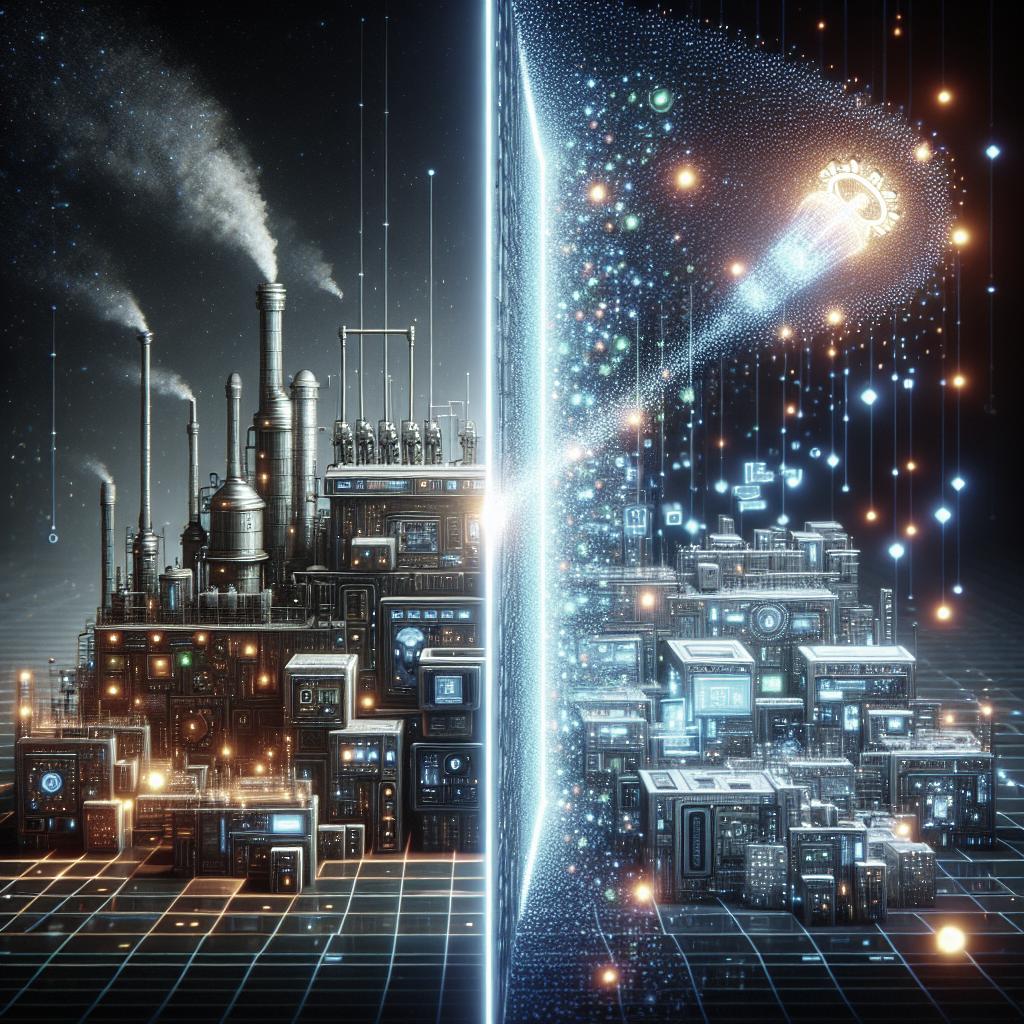
Digital twin technology represents a cutting-edge innovation that seamlessly merges the physical and digital worlds. A digital twin is essentially a virtual replica of a physical object, process, or system. This concept allows for the modeling of the lifecycle of an entity, its behavior under various conditions, and how it interacts within a system. While the idea sounds futuristic, it is essentially an evolution of simulation technologies that have been developed over decades.
The creation of a digital twin involves real-time data collection through sensors and IoT (Internet of Things) devices embedded in the physical asset. This data forms the foundation of the twin, enabling accurate modeling and analysis. The digital counterpart is continuously updated to match changes occurring in the real world, providing a dynamic tool for observation and control.
So, A Digital Twin is a Simulation?
Though it may be tempting to categorize digital twins as mere simulations, there are distinct differences that set them apart. Unlike traditional simulations that may run on static data or pre-defined models, digital twins are interactive and operate in tandem with their real-world counterparts. This unique trait of continuous data exchange is what makes digital twins exceptionally powerful, creating a dynamic representation rather than a standalone model.
Furthermore, digital twins expand upon standard simulation by incorporating predictive analytics and machine learning. These capabilities allow digital twins to prognosticate future outcomes based on historical data and prevailing conditions, equipping stakeholders with valuable foresight and aiding in proactive decision-making. Thus, while both digital twins and simulations have their roots in theoretical modeling, the former provides a richer, more integrated approach.
How Does Digital Twin Technology Work?
Digital twin technology primarily revolves around capturing and leveraging data from physical assets. Sensors installed on these assets collect vast amounts of data on various parameters such as temperature, pressure, and operational status. This data is then transmitted to cloud-based digital platforms where it is processed and used to update the digital twin in real time.
Once the data is processed, the digital twin can simulate real-world scenarios, assess operational efficiencies, and predict potential failures. Moreover, the infusion of AI and machine learning enhances the twin’s capability, enabling it to learn patterns and detect anomalies. Decision-makers can interact with this enriched data environment, gaining insights that lead to improved efficiencies, optimized operations, and innovation in product development.
Applications for Digital Twins
The versatility of digital twin technology is showcased across a plethora of applications spanning different sectors. In aerospace, for example, digital twins are employed to simulate the performance of jet engines, helping in maintenance scheduling and improving fuel efficiency. Similarly, in the automotive industry, digital twins are used to optimize vehicle performance and design, enhancing safety features and customer experience.
Beyond industrial applications, digital twins are pivotal in developing smart cities. They help urban planners by modeling traffic patterns, energy use, and even environmental conditions, aiding in efficient city management. Furthermore, digital twins are making significant strides in healthcare, providing virtual models of human organs for research and surgical planning.
What Engineers and Manufacturers Can Do With Digital Twins
Engineers and manufacturers harness digital twin technology to streamline design, production, and operational processes. By creating a digital clone of a product, engineers can test different scenarios and optimize designs without incurring significant costs for physical prototypes. This approach leads to faster development cycles and improved product quality.
Manufacturers benefit significantly from employing digital twins in predictive maintenance and asset management. These virtual models allow the identification of wear and tear, leading to timely interventions before failures occur. Coupled with IoT data analytics, digital twins enable manufacturers to enhance operational efficiency, reduce downtime, and support sustainable practices.
The Benefits of Digital Twin Technology
Digital twin technology delivers a multitude of benefits that extend far beyond traditional models of operation and analysis. Among the most prominent advantages is the ability to improve resource management by providing a detailed understanding of asset usage and performance, which in turn minimizes waste and cuts costs.
Additionally, digital twins facilitate informed decision-making by offering a high-fidelity visualization of production processes and asset conditions. This enhances collaboration among stakeholders, speeds up the troubleshooting process, and significantly increases safety through predictive maintenance capabilities. With the potential to revolutionize various industries, the strategic implementation of digital twins can drive innovation and enhance competitive advantage.
Where to Next?
The future of digital twin technology appears promising, with upcoming innovations set to enhance its impact. We can anticipate the integration of advanced AI algorithms and blockchain technology, offering unprecedented levels of security and data integrity. As 5G networks continue to expand, the real-time capabilities of digital twins will be further optimized, leading to seamless remote monitoring and control of assets on a global scale.
Moreover, as the Internet of Things continues to evolve, the interconnectivity of smart devices will expand the scope and application of digital twins, more comprehensively mirroring the intricacies of complex systems. This ongoing evolution highlights the importance for industries to remain agile, ready to adapt and capitalize on the advances in digital twin technology that are yet to come.
Digital Twin – Condition Monitoring, Structural Health Monitoring
Condition monitoring through digital twins caters to the real-time supervision of equipment health and performance. It utilizes sensor data to predict failures and recommend maintenance actions, minimizing unplanned downtime and reducing operational costs. This predictive approach is critical in ensuring the longevity and reliability of machinery, thus promoting efficiency and productivity in operations.
Structural health monitoring is another noteworthy application of digital twins, particularly within civil engineering. This involves assessing the integrity of infrastructures like bridges and buildings by employing virtual models that capture data from environmental conditions and daily usage. These insights allow for proactive risk management and preservation of structural integrity, ensuring public safety.
More From Forbes
With an increasing array of industries embracing digital twin technology, Forbes offers insightful articles that delve into its applications and evolution. These articles provide an expansive view on how different sectors can leverage digital twins and realize their full potential. From manufacturing advancements to unprecedented smart city developments, Forbes covers diverse angles that cater to readers seeking to deepen their understanding of this transformative technology.
Summary of Main Points
| Section | Key Points |
|---|---|
| What Is Digital Twin Technology? | Digital twins are virtual replicas of physical entities; they enable real-time monitoring and process optimization through IoT and continuous data exchange. |
| So, A Digital Twin is a Simulation? | Unlike traditional simulations, digital twins provide dynamic, real-time modeling incorporating predictive analytics and AI for improved decision-making. |
| How Does Digital Twin Technology Work? | Sensor data from physical assets informs the digital twin, enabling real-time updates and predictive maintenance through AI-enhanced analytics. |
| Applications for Digital Twins | From aerospace to smart cities and healthcare, digital twins model performance, optimize operations, and innovate design and planning. |
| What Engineers and Manufacturers Can Do With Digital Twins | Enhanced design, accelerated development, and predictive maintenance are achieved, minimizing downtime and cost while boosting efficiency. |
| The Benefits of Digital Twin Technology | Significant benefits include reduced waste, improved resource management, increased safety, informed decision-making, and accelerated innovation. |
| Where to Next? | The future of digital twins includes AI, blockchain integration, enhanced IoT, and 5G real-time capabilities to expand applications further. |
| Digital Twin – Condition Monitoring, Structural Health Monitoring | Facilitates timely maintenance interventions and infrastructure integrity assurance, promoting operational efficiency and public safety. |
“`