
“`html
How to Integrate IoT Devices into a Smart Home
In today’s rapidly evolving digital landscape, smart homes represent the forefront of technological comfort and convenience. Integrating IoT devices into a smart home not only amplifies automation but also enhances security, energy efficiency, and the overall quality of life. This comprehensive guide explores the critical components of an IoT-enabled smart home, including connected devices, sensors, intelligent HVAC systems, and security solutions. We delve into how these devices synergize to create smarter living spaces through advanced monitoring, control, and responsiveness. For those looking to transform their home into a smart haven, understanding the types of devices, their integration, and the benefits they offer is essential. As we journey through the facets of IoT in home automation, prepare to discover the intricate yet fascinating ways technology can redefine our living environments.
Connected Devices: Enhancing Automation in Smart Homes
Types of Devices That Make a Home Smart
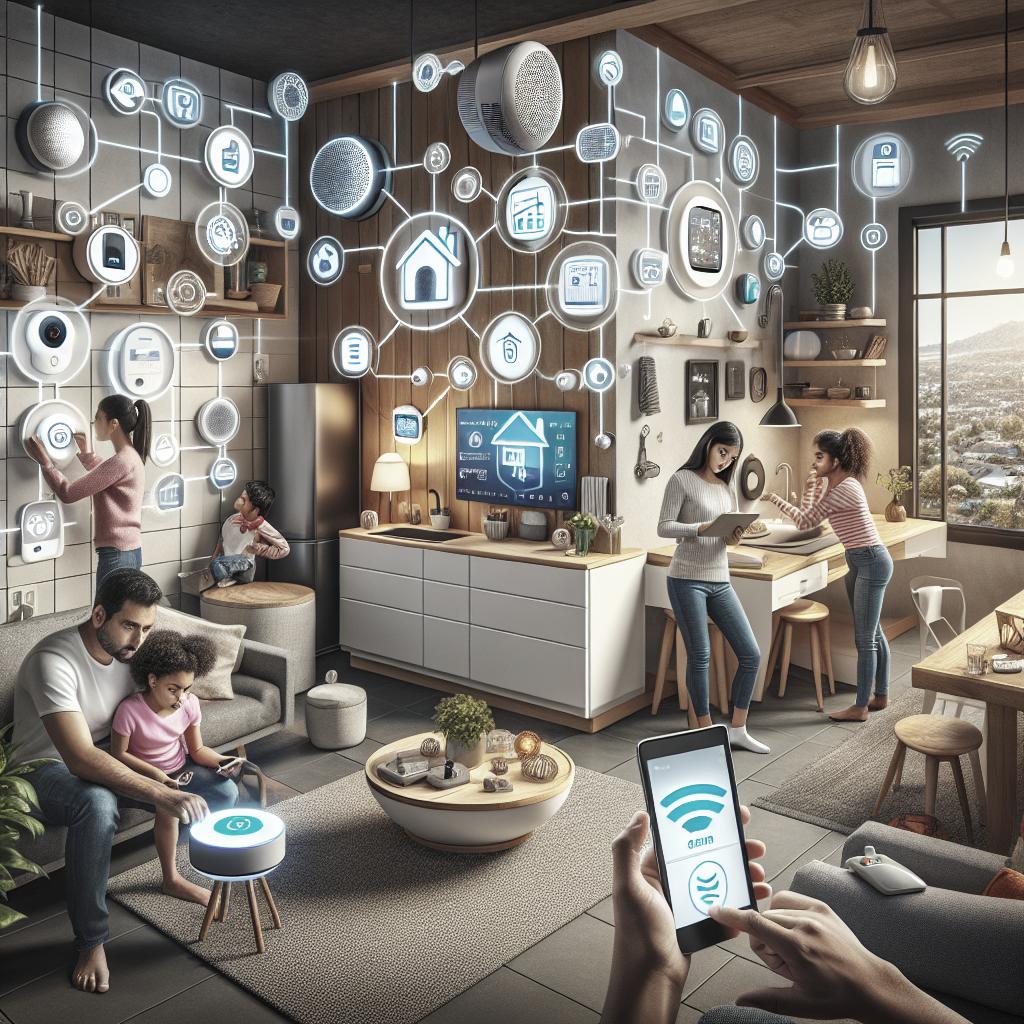
Smart homes rely on a network of interconnected devices designed to simplify and enhance daily life. These devices span a wide range, from smart speakers and displays that enable voice-activated control to smart plugs and outlets that monitor energy usage and support automated schedules. Smart appliances, such as refrigerators that actively monitor their contents or washing machines that adjust settings for optimal efficiency, are becoming indispensable. Each device adds a layer of convenience and efficiency, contributing to a cohesive smart home ecosystem.
Another category of smart devices includes those focused on entertainment and ambiance, such as smart TVs and multi-room audio systems that adapt to user preferences. Similarly, smart thermostats and lighting systems adjust according to weather patterns and occupancy, reducing energy waste and enhancing comfort. The proliferation of these devices has set the stage for a more immersive and tailored living experience.
Integration and Interoperability of IoT Devices
For a smart home to function seamlessly, integration and interoperability of IoT devices are paramount. Devices must communicate effectively, regardless of brand or protocol. Platforms like Google Assistant and Amazon Alexa facilitate this by acting as unifying interfaces, allowing users to control multiple devices from a single point. Without effective integration, a smart home risks becoming a collection of isolated gadgets rather than a unified system.
Interoperability not only enhances the user experience but also maximizes the potential of each device. By working together, devices can perform complex automation tasks, such as activating security protocols when no one is home or adjusting lighting and climate settings based on personal routines and preferences. These integrations often rely on cloud-based systems and APIs, making it crucial for consumers to consider compatibility when selecting devices.
IoT Sensors: Monitoring and Controlling Home Environments
Role of Sensors in Home Automation
Sensors are the eyes and ears of a smart home, providing real-time data to create responsive environments. By detecting changes in light, temperature, motion, and sound, sensors trigger actions that optimize comfort and security. For instance, motion sensors can activate lighting as someone enters a room, or security systems can alert homeowners of unusual activity.
The ability to monitor and control a home environment through sensors enables homeowners to drastically improve energy efficiency and safety. For instance, humidity sensors in bathrooms can trigger exhaust fans to prevent mold growth, while leak detectors under sinks can alert users to potential water damage. This granular control is where the true value of home automation becomes apparent.
Common Types of IoT Sensors Used in Homes
Among the most common IoT sensors deployed in smart homes are motion detectors, contact sensors, and environmental sensors. Motion detectors are pivotal for security systems and energy-saving applications, while contact sensors, placed on doors and windows, provide alerts when entry points are opened. These sensors form the backbone of any smart security system.
Environmental sensors, which monitor conditions like air quality and temperature, also play a crucial role. They assist in maintaining healthy indoor climates and can drive automation routines that adjust HVAC settings for optimal comfort. Smoke and carbon monoxide detectors are crucial for safety, ensuring that homeowners are alerted to potential hazards in a timely manner.
Smart Lighting Systems: Energy-Efficient and Responsive
How Smart Lighting Contributes to Energy Efficiency
Smart lighting systems are revolutionizing how we illuminate our homes by reducing energy consumption and enhancing ambiance. Through automated schedules, vacation modes, and the ability to adjust brightness based on natural light availability, smart lighting minimizes unnecessary energy use. This not only reduces electricity bills but also mitigates environmental impact.
Furthermore, smart bulbs, often LED-based, are inherently more energy-efficient than traditional incandescent bulbs. When combined with motion sensors and smart home systems, they provide tailored lighting solutions that turn off automatically when rooms are unoccupied, ensuring lights are only used when necessary.
Features of Smart Lighting Systems
Modern smart lighting systems offer a wealth of features that cater to diverse preferences and needs. These include dimmable options, variable color temperatures to suit different moods, and integration with other IoT devices for comprehensive scene control. For example, a homeowner can set a movie scene that dims the lights and closes the blinds with a simple voice command.
Another standout feature is remote access, allowing users to control lighting from anywhere in the world via smartphones or tablets. This level of control is particularly beneficial for security, creating the illusion of occupancy when the home is vacant. With these advanced features, smart lighting systems are an integral component of efficient and intelligent home automation.
Intelligent HVAC Systems: Climate Control for Comfort
Advancements in HVAC Technology
HVAC systems are undergoing significant advancements, transitioning from simple temperature control to intelligent climate management. Modern systems now incorporate machine learning algorithms that adapt to user preferences and weather conditions, optimizing energy usage and enhancing comfort. These advancements enable predictive maintenance, reducing downtime and unexpected repair costs by identifying potential issues before they escalate.
Smart thermostats, a key component of intelligent HVAC systems, play a pivotal role by learning household routines and adjusting settings accordingly. They provide insights into energy consumption patterns and offer recommendations for further efficiency improvements, making the home environment more sustainable without sacrificing comfort.
Benefits of Smart HVAC in Modern Buildings
Integrating smart HVAC systems into modern buildings delivers numerous benefits, including enhanced comfort, improved energy efficiency, and reduced carbon footprints. By responding to occupancy patterns and external weather conditions, these systems ensure optimal indoor climates while minimizing waste. In multi-zone systems, individual areas can be independently controlled, catering to different preferences and needs across various parts of the home.
Additionally, smart HVAC systems support remote monitoring and control, giving users the flexibility to make adjustments from afar. This capability is invaluable for busy individuals who may forget to adjust settings before leaving home. By aligning with broader home automation efforts, smart HVAC contributes to a comprehensive and harmonious smart living environment.
Security and Surveillance: IoT Solutions for Home Safety
IoT in Home Security
IoT technology has brought transformative changes to home security, providing homeowners with unprecedented control and peace of mind. By integrating IoT cameras, smart locks, and alarm systems, users can monitor and secure their homes in real-time from anywhere. These devices easily sync with smartphones, allowing for instant alerts and live streaming of surveillance footage.
Moreover, smart locks eliminate the need for traditional keys, offering secure entry through smartphones or biometric verification. This not only enhances security but also offers convenience, allowing secure access for family members and trusted guests without the hassle of managing physical keys.
Emerging Trends in IoT Home Surveillance
The field of IoT home surveillance is continually advancing, with notable trends such as the rise of AI-driven analytics and integration with broader smart home ecosystems. AI algorithms can now detect unusual patterns or behaviors, triggering alerts and allowing proactive responses to potential threats. This advancement reduces false alarms and enhances the efficiency of home security systems.
Additionally, IoT surveillance systems are increasingly incorporating facial recognition technology, offering personalized security settings that recognize family members and authorized individuals. Such personalization ensures systems are more intuitive and responsive. The integration of these technologies emphasizes the role of IoT in ushering in a new era of intelligent home security.
Lessons Learned
| Aspect | Summary |
|---|---|
| Connected Devices | Smart homes require a network of devices like speakers, plugs, appliances, and entertainment systems that enhance convenience and energy efficiency. |
| IoT Sensors | Sensors monitor light, motion, and environment, enabling automation and improving energy efficiency and safety. |
| Smart Lighting Systems | Offer energy savings through automation and remote control, with features like dimming and scene setting for tailored ambiance. |
| Intelligent HVAC Systems | Smart HVAC systems provide efficient climate control and predictive maintenance, enhancing comfort and reducing energy consumption. |
| Security and Surveillance | IoT enhances home security with real-time monitoring, smart locks, and AI-driven analysis for personalized safety measures. |
“`