
“`html
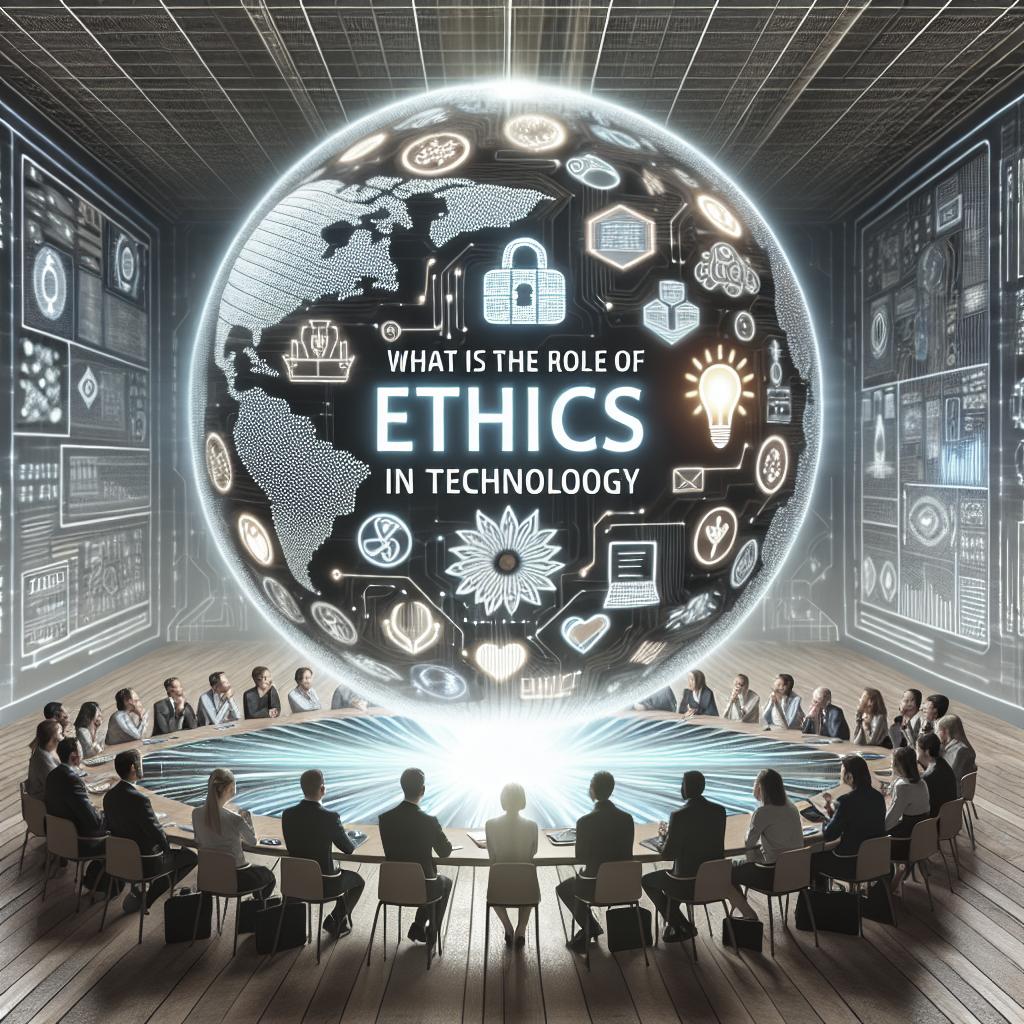
The Role of Ethics in Technology
Introduction
The intersection of ethics and technology is a complex landscape, as technological advances continuously push the boundaries of what’s possible. This article delves into the significance of ethics within technology, providing insights into various ethical concerns and consequences. It explores how morality interplays with design and the creation of technology, evaluates the societal impact of technological innovations, and addresses specific ethical issues like ectogenesis and human enhancement. Lastly, we propose potential solutions, emphasizing the importance of coding ethics and future prospects for managing ethical challenges in technology. Whether you’re a technologist, ethicist, or digital consumer, understanding these dynamics is crucial for navigating an increasingly technology-driven world.
Summary
The article discusses the pivotal role ethics play in guiding the development and implementation of technology. With rapid advancements, it’s crucial to understand both the potential and pitfalls these innovations bring, particularly around moral accountability. This analysis begins with defining technology ethics, followed by examining its consequences, focusing on topics like morality in design, adversarial designs, and broader societal impacts.
More From Forbes
Forbes provides valuable insights into the role of technology in our lives, exploring various areas such as innovation, business implications, and the ethical quandaries they often entail. Their articles frequently provide expert opinions and case studies, aiding in understanding the broader context of technology’s impact on society.
Ethics of technology
Technology ethics is an area of philosophy that seeks to address the moral considerations and implications of technology use. As a rapidly evolving area, technology ethics is not only about evaluating the moral consequences of using technology but also about ensuring technology aligns with societal values.
In modern-day society, as technology becomes more ingrained in everyday life, it prompts critical ethical questions regarding privacy, security, and human values. By understanding the ethics of technology, we can mitigate potential harm and enhance benefits, ensuring responsible technology development and implementation.
Definition technology ethics
Technology ethics refers to the application of ethical perspectives to the understanding, standardization, and application of technology. This discipline evaluates how technological advances align with moral values and what ethical standards are pertinent in the digital age.
Rooted in both philosophical inquiry and practical application, technology ethics address dilemmas such as how to handle user data ethically, balance innovation with societal good, and navigate complex issues like AI decision-making. Its core mission is to bridge the gap between innovation and moral responsibility.
Consequences technology
Overview
The consequences of technology are profound and multifaceted, impacting nearly every facet of human life. Although technology has the power to transform industries and improve quality of life, it also poses ethical challenges that can have long-lasting societal effects.
Unintended consequences, such as loss of privacy or job displacement, present significant ethical concerns. Equipping society with the tools to address these issues responsibly is imperative, as failure to do so can lead to irreversible harm.
Technology does not have ethics
While technology itself is neutral, its usage is subject to human interpretation and influence. It lacks intrinsic ethical values; thus, the ethical implications arise from how humans apply and govern technological innovations.
For example, while AI can enhance decision-making processes, its deployment must be managed ethically to avoid biases or infringing on rights. Therefore, the human mediation and governance surrounding technology are where ethical considerations become pivotal.
Morality of technology
Design and morality
The morality of technology is often embedded in its design. Designers and developers must consider ethical implications during the creation phase, ensuring that technology serves its intended purpose without causing harm.
Incorporating ethical considerations into the design process can lead to more responsible innovations. This includes actively considering diverse user needs, ensuring accessibility, and minimizing negative environmental impacts.
Adversarial Design
Adversarial design challenges traditional design ethics by emphasizing contestation and dissent. It involves creating technologies or systems that deliberately question or disrupt existing social norms to encourage critical reflection.
This approach can illuminate ethical dilemmas by exposing power dynamics and unintended effects, ultimately fostering a more thoughtful discourse on technology’s role in society.
Technology Ethical Issues
Technology presents numerous ethical issues, including privacy concerns, data security, and the potential misuse of information. As technologies like AI and IoT advance, they not only transform industries but also raise ethical dilemmas.
These issues necessitate urgent discussion and resolution to protect individual rights and maintain social trust. Crafting robust policies and frameworks is essential for ethically navigating the digital landscape.
Impact on society
The impact of technology on society is vast, reshaping everything from economics and politics to personal relationships and cultural norms. While technology can drive progress and innovation, it can also exacerbate inequality and create new ethical issues.
Understanding this impact is essential for ensuring that technological progress benefits society while minimizing risks and injustices. This calls for a collaborative effort among policymakers, technologists, and ethicists.
Ectogenesis
Ectogenesis, the growth of an organism outside a natural womb, presents complex ethical challenges. As technological capabilities advance in reproductive technology, questions regarding parenthood, human rights, and identity arise.
These advances prompt debates on the potential social and ethical consequences, demanding careful deliberation to ensure ethical guidelines keep pace with technological progression.
Growing brains outside of the body
Consciousness of mini brain?
A significant ethical challenge is the capacity to grow brain tissues outside the body, raising questions around consciousness and rights. Determining the ethical boundaries for such research is critical to safeguard against potential abuses.
This exploration also poses philosophical inquiries about consciousness, self-awareness, and the moral status of lab-grown tissues.
Video bio-ethics
Video bio-ethics uses multimedia to explore the implications of biological and technological advancements. By visually depicting ethical scenarios, it offers a unique lens through which complex bioethical issues can be communicated.
This method enhances public engagement and understanding, stimulating dialogues necessary for informed decision-making regarding bioethical challenges posed by technology.
Human Enhancement Ethics
Human enhancement technologies, such as cognitive enhancement and genetic modification, present distinct ethical concerns. These advances raise questions about fairness, coercion, and the nature of human identity.
Ethical deliberations must consider the societal implications of enhancement technologies, ensuring they promote wellbeing and equity without compromising human dignity.
Solutions
Coding ethics
Coding ethics involves integrating moral principles into programming practices to ensure technology serves society beneficially. This includes upholding transparency, privacy, and fairness when developing new technologies.
By embedding ethical considerations into the coding process, software developers can proactively address potential issues, fostering responsible innovation and maintaining public trust.
Future Prospects
No quick fix
While ethical challenges in technology are significant, there are no quick solutions. It requires ongoing dialogue, interdisciplinary collaboration, and commitment to ethical practices to navigate these complex issues effectively.
By prioritizing ethics, society can harness the benefits of technology while safeguarding against harm, ensuring a balanced future where technology uplifts humanity.
Hire me!
If you enjoyed this article and are interested in engaging with similar content or need a writer with a strong command of technology and ethics, feel free to reach out. I’m open to opportunities in technology-focused companies or online media where my skills and interests can contribute value.
Panel
For further insights into the role of ethics in technology, consider joining a panel discussion featuring experts across technology, philosophy, and policy. These events provide a valuable platform for exploring ethical challenges and solutions collaboratively.
Reading List
To deepen your understanding of the ethics in technology, consider these recommended readings:
- “The Ethics of Artificial Intelligence” by Bostrom & Yudkowsky
- “Code and Other Laws of Cyberspace” by Lawrence Lessig
- “The Black Box Society” by Frank Pasquale
Leave A Comment Cancel reply.
Your thoughts and comments on the ethics of technology are invaluable. Feel free to share your insights and continue the conversation in the comment section below.
| Section | Summary |
|---|---|
| Ethics of Technology | Explores the philosophical and practical implications of technology on society, emphasizing the need for moral standards. |
| Consequences Technology | Discusses the multifunctional consequences of technology and stresses the importance of human oversight. |
| Morality of Technology | Analyzes the relationship between design processes and ethical outcomes, including adversarial design. |
| Technology Ethical Issues | Highlights pressing ethical concerns like privacy, security, and data misuse arising from technology advancements. |
| Impact on Society | Explores how technology shapes societal norms and calls for collective effort to ensure equitable progress. |
| Ectogenesis & Brain Growth | Evaluates ethical and philosophical dilemmas posed by reproductive technology and brain tissue research. |
| Human Enhancement Ethics | Examines the moral considerations of enhancing human capabilities through technology. |
| Solutions | Proposes embedding ethics into coding practices as a means to address technological moral challenges. |
“`